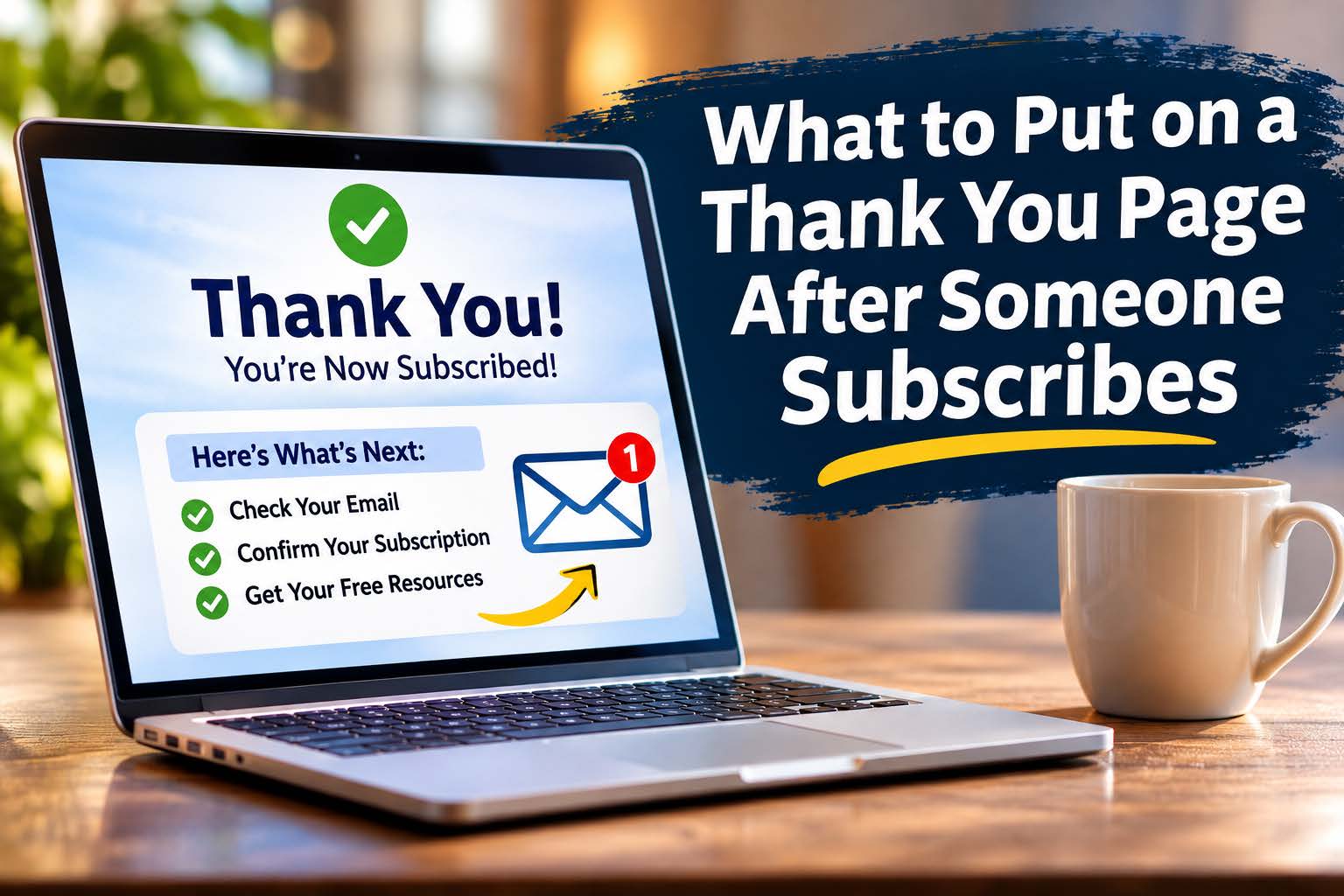
Someone just joined your email list.
They were interested enough to give you their name and email. Now you have an opportunity to turn that first moment of interest into an ongoing conversation.
What should you say?
Start by helping them do what they came to do. Your first five follow-up emails can deliver the promised resource, explain the next step, answer questions, and introduce a relevant offer.
Here’s a practical way to plan them.
Your First Email: Deliver What You Promised
Your welcome email has one immediate job: help your subscriber find what they requested.
If they signed up for access to a platform, give them the access link. If you offered a guide, deliver the guide.
Don’t make them search through a long introduction to find it.
Example subject: Here’s the access you requested
Example opening:
“Thanks for stopping by my website. Here’s the link to the introduction I promised. Start there, and I’ll follow up with a few practical ideas to help you put the information to work.”
Then explain what emails they can expect from you.
A short introduction and a clear next step are enough. You can tell more of your story as the conversation develops.
Your Second Email: Help Them Take One Step
Having access and knowing what to do with it are different things.
Your second email can help a subscriber get past that first moment of uncertainty.
Choose one action: watch the introduction, complete an account setting, review a campaign, or connect a signup form.
Example subject: Start with this one step
Example opening:
“You don’t need to explore every tool today. Start by choosing one campaign you understand and reviewing the steps needed to use it.”
Explain why that action matters and where to find it.
Give them something manageable to complete. A list of fifteen tasks can leave someone wondering which one matters most.
Your Third Email: Share a Useful Lesson
Now give your subscriber something helpful they can apply.
You might explain why a click doesn’t always mean buying interest, why a signup form needs a clear benefit, or why testing a link matters before sending traffic.
Example subject: Check this before sending visitors
Example opening:
“Before you send people to your page, open it yourself and go through every step. Does the form work? Does the next page open? Does your welcome email arrive?”
Connect the lesson to your own experience when you can do so honestly.
When I tested my website’s signup process, I checked that the subscriber appeared in my list, that the thank-you page opened, and that its next-step button worked.
That gives me something specific to share. You don’t need an impressive income story to explain a useful check you actually performed.
Your Fourth Email: Answer a Real Question
Think about what could be keeping the reader from moving forward.
Do they understand the costs? Are they unsure which tool they need? Do they think they must join every program offered?
Answer one question clearly.
Example subject: Do you need every tool right away?
Example opening:
“Start with the tools needed for the task you’re working on. Before adding another subscription, check what it does, what it costs, and whether you’ll use it.”
If you’re discussing a free platform that features paid programs, explain that distinction.
Clear answers help people make decisions. They also help you avoid creating expectations the offer cannot meet.
Your Fifth Email: Make a Focused Recommendation
By this point, your subscriber should have received the promised information and several useful follow-ups.
Your fifth email can make a direct recommendation connected to the reason they subscribed.
Example subject: Put your next step into action
Explain what the resource does, who it may suit, and what the reader should review before joining.
Then give one clear call to action.
For someone interested in email marketing, that could mean reviewing an email service. For someone building an online presence, it could mean watching an introduction to a website platform.
Keep the recommendation connected to their needs. Give them enough information to understand why you’re sharing it.
What If They’ve Already Joined?
A subscriber who has registered needs different guidance from someone who hasn’t.
Where your email system supports it and you have reliable signup information, adjust your follow-up so existing members receive useful setup guidance.
If you can’t identify who has joined, acknowledge both situations:
“If you haven’t registered yet, use the link below. If you already have an account, log in and complete the next setup step.”
That keeps the email useful without assuming every reader is in the same place.
Keep Your Follow-Up Personal and Practical
Write as though you’re talking to one person.
Use clear subject lines. Make your links easy to find. Share what you know, distinguish it from what you’re still testing, and follow through on your promises.
Your first five emails won’t answer every question or guarantee a sale. They will give your subscribers a clearer path from initial interest to informed action.
That’s a foundation you can keep improving.
Ready to Build Your Follow-Up?
Start by writing your welcome email. Then give each of the next four messages one useful purpose.
Deliver. Guide. Teach. Answer. Recommend.
Enter your first name and email in the form below to see the platform I use to bring affiliate campaigns and business resources together.
You’ll also receive my marketing tips, resources, and offers. You can unsubscribe anytime.
Bruce R. Holbert
I’m an affiliate for some of the programs I share and may earn a commission when you purchase through my links.